Ford Fuel Efficiency Guide: Hybrid, Plug-In Hybrid & Electric Models
Looking for a smarter way to reduce fuel use without giving up the kind of vehicle that fits your life? At Dorian Ford, our Ford hybrid and
electric lineup includes hybrid, plug-in hybrid, and all-electric models designed to help drivers cut back on trips to the pump, improve everyday efficiency, and feel more protected when gas prices rise. Whether you want a fuel-saving SUV, a more efficient truck, or a fully electric driving experience, this guide will help you compare your options and choose the Ford powertrain that makes the most sense for the way you drive.
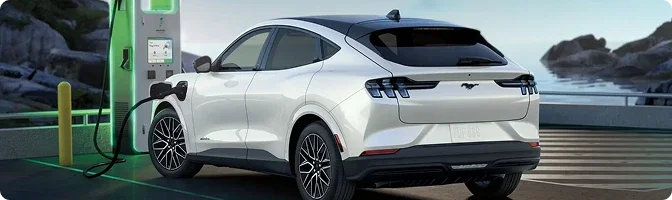
The Mustang Mach-E® delivers an all-electric driving experience that removes gas station stops from your routine and replaces them with charging at home or on the go. For drivers who want strong efficiency, more distance from fuel-price swings, and a new daily rhythm built around electric range, it stands out as a smart next step.
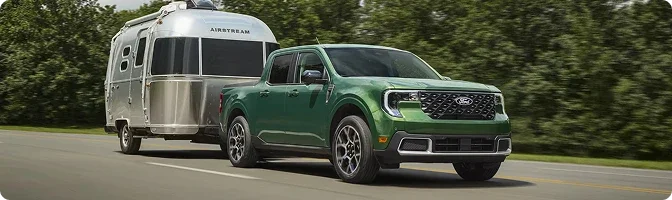
The Maverick® Hybrid gives drivers compact truck versatility with strong everyday fuel efficiency, making it a practical fit for commuting, errands, and weekend projects. It is a smart option for buyers who want pickup flexibility with fewer trips to the pump and lower fuel use during daily driving.
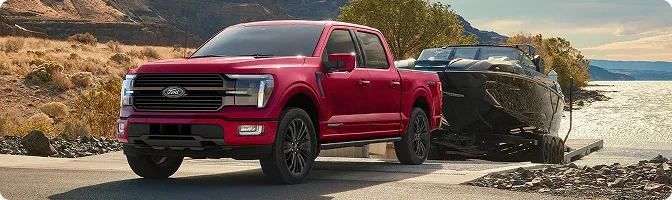
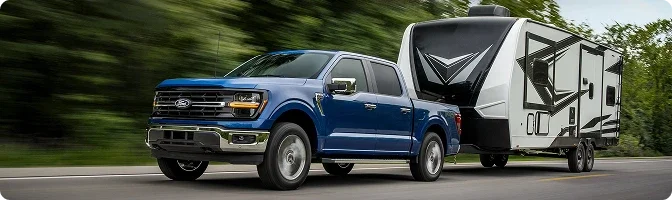
The F-150® Hybrid brings full-size truck strength together with smarter fuel use for drivers who still need real capability. It is a strong choice for buyers who want the utility of a full-size pickup while reducing some of the fuel-cost sting that often comes with daily driving and jobsite demands.
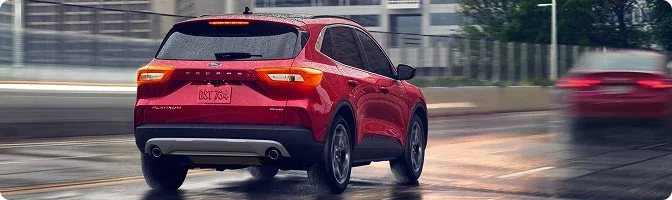
The Escape® ST-Line Elite Hybrid is a standard hybrid SUV designed for drivers who want better MPG without changing their routine. With no plug required, it offers an easier transition from a gas vehicle while helping reduce fuel use during commuting, errands, and other everyday driving.
The Escape® Plug-In Hybrid offers a practical middle ground between a traditional hybrid and a full EV. It supports electric-first driving for many shorter trips, while the gas engine adds flexibility for longer drives and helps reduce fuel stops across your weekly routine.
MPG stands for miles per gallon, and it tells you how far a vehicle can travel on one gallon of fuel. In simple terms, a higher MPG number usually means the vehicle uses less gas over time, which can lead to fewer stops at the pump and less weekly fuel stress.
City MPG reflects the kind of driving many people do every day, with traffic lights, stop-and-go movement, and lower speeds. Highway MPG reflects steadier driving at higher speeds, where a vehicle can often run more efficiently. Combined MPG blends both into one number, giving you a more useful snapshot of what fuel efficiency may look like across a mix of daily driving.
This is where real-world routine matters. Stop-and-go driving often affects fuel use differently because accelerating from a stop takes more energy than cruising at a steady speed. That is one reason hybrid vehicles can be especially appealing for commuting and errands, where traffic, short trips, and changing speeds are common.
For many drivers, MPG is not just a spec on a window sticker. It is part of the bigger ownership picture. Better MPG can mean stretching each tank farther, reducing how often you need to refuel, and feeling less pressure when gas prices rise.
MPG vs. MPGe: What’s the Difference?
MPG and MPGe are both useful ways to understand efficiency, but they measure different kinds of driving. MPG, or miles per gallon, shows how far a vehicle can travel on one gallon of gasoline. That is the number most shoppers see on gas-powered vehicles and standard hybrids.
MPGe, or miles per gallon equivalent, is used to describe electric-driving efficiency. It gives shoppers a way to compare how efficiently an electric vehicle or plug-in hybrid uses energy in a format that feels more familiar. While it is not the same as traditional gas mileage, it helps show how efficiently a vehicle operates when electric power is part of the equation.
This is why fully electric and plug-in hybrid models often bring both MPGe and range into the conversation. A vehicle like the Mustang Mach-E® is measured in MPGe because it runs on electricity rather than gasoline. At the same time, shoppers still want to know how far it can go before it needs to be charged again, which is where range becomes especially important.
A plug-in hybrid like the Escape® Plug-In Hybrid can show both MPGe and MPG because it uses both electric driving and gas driving. When it is operating with electric energy, MPGe helps measure that efficiency. When the gas engine is part of the picture, MPG still matters too. That makes plug-in hybrids an important bridge between traditional hybrid language and full EV language, especially for shoppers comparing flexibility, charging habits, and fuel use.
Fuel Efficiency at a Glance
These ratings offer a quick side-by-side look at how the featured Ford models compare. The right choice still depends on how you drive, but this snapshot makes it easier to see the difference between hybrid, plug-in hybrid, and electric efficiency at a glance.
Model
Powertrain
Combined Rating
Estimated Annual Fuel Cost
Mustang Mach-E®
Electric
110 MPGe
$700
Escape® Plug-In Hybrid
Plug-In Hybrid
101 MPGe / 40 MPG
$1,000
Escape® ST-Line Elite Hybrid
Hybrid
39 MPG
$1,550
Maverick® Hybrid
Hybrid
38 MPG
$1,600
F-150® Hybrid
Hybrid
23 MPG
$2,600
Estimated ratings and annual fuel costs can vary based on model year, trim level, equipment, driving conditions, and ownership habits.
Once you understand how the numbers compare, the next step is understanding how each type of Ford powertrain helps reduce fuel use in different ways.”
How Ford Hybrid Technology Works
Ford hybrid technology combines a traditional gas engine with an electric motor to help reduce fuel use during everyday driving. Instead of relying on gasoline alone, the system works behind the scenes to balance gas power and electric assistance based on how the vehicle is being driven.
One of the biggest advantages of a standard hybrid is that it does not require plugging in. The battery is charged through normal driving, including regenerative braking, which captures energy that would otherwise be lost when slowing down or braking. That energy is then used to support the hybrid system and help improve efficiency.
Electric assistance is managed automatically, so drivers do not need to change their routine or learn a completely different ownership experience. The vehicle can switch between gas power and electric support as needed, helping improve fuel economy in a way that feels smooth and familiar from behind the wheel.
This is one reason hybrids often perform especially well in city driving and mixed driving conditions. Frequent stops, slower traffic, and repeated acceleration create more opportunities for the electric motor and regenerative braking system to support efficiency. For many drivers, that means better fuel economy during commuting, errands, and daily use without giving up the convenience of quick refueling when needed.
Ford plug-in hybrid technology builds on the idea of a traditional hybrid, but adds a larger battery and the ability to plug in for charging. That gives drivers more opportunities to use electric power during everyday travel, especially on shorter trips where gas use can be reduced significantly.
In a plug-in hybrid, the electric side of the system can take on more of the work during local driving. For many commuters and families running errands around town, that can mean spending more time driving on electric power before the gas engine needs to step in. When longer drives are needed, the gas engine is still there as a built-in backup, which helps make road trips and extended travel feel more familiar and flexible.
This is what makes a plug-in hybrid feel like a bridge between a standard hybrid and a full EV. You still get the convenience of a gas engine when needed, but you also gain more electric-driving potential during the kind of short daily routines that often use the most fuel. In the right driving pattern, that can lead to fewer fuel stops and even more protection from gas-price swings than a traditional hybrid.
For drivers who want to explore this middle-ground option in a practical SUV, you can
View Escape Inventory
.
Hybrid vs. Plug-In Hybrid vs. Electric
Choosing between a hybrid, a plug-in hybrid, and a fully electric vehicle usually comes down to how you drive each day, how often you want to stop for fuel, and whether charging fits your routine. Each option can help reduce fuel use, but they do it in different ways.
Hybrid
A standard hybrid is often the best fit for drivers who want better MPG without making major changes to their routine. It uses a gas engine and an electric motor together to improve efficiency, especially in city driving and mixed driving. There is no need to plug in, which makes hybrid ownership feel familiar for drivers coming from a traditional gas vehicle. If your goal is fewer fuel stops, lower weekly gas use, and an easy transition into a more efficient Ford, a hybrid can be a smart place to start. You can shop
Ford hybrid models.
Plug-In Hybrid
A plug-in hybrid is a strong option for drivers who want to reduce gas use even more, especially during shorter daily trips. Because it has a larger battery and can be plugged in, it can handle many local drives with more electric use before the gas engine is needed. At the same time, the gas engine remains available for longer travel, which gives it a flexible middle-ground feel. For many drivers, this makes a plug-in hybrid a practical choice when they want electric-driving benefits without giving up the confidence of gas backup.
Electric
A fully electric vehicle is the best fit for drivers who want to leave gas behind entirely. Instead of fueling up, daily ownership revolves around charging at home or on the go. That means no gas use at all, which can offer the strongest protection from fuel-price volatility. For drivers ready for a fully electric daily-driving experience, an EV can provide a simple ownership path centered on range, charging, and freedom from the pump. You can shop
EV inventory.
Why Fuel Efficiency Matters When Gas Prices Rise
When gas prices climb, fuel efficiency becomes more than just a number on a spec sheet. It affects how often you stop to fill up, how far each tank can take you, and how much pressure you feel from week to week when your driving routine stays the same but fuel costs do not.
For many drivers, fewer fill-ups can make everyday ownership feel noticeably easier. commutes, school runs, errands, and weekend driving all add up, and a more efficient vehicle can help stretch that fuel farther. That can bring more predictability to weekly driving costs and reduce some of the frustration that comes with watching prices jump at the pump.
This is also where choosing the right level of electrification matters. Some drivers want better MPG without changing anything about how they refuel, while others want to do more short trips on electric power or avoid gas altogether. The best choice depends on how you drive, how often you travel longer distances, and how much fuel-price volatility affects your daily routine.
In real life, fuel efficiency matters most when it supports the way you already live. Whether you are commuting during the week, managing family driving, or balancing a mix of city streets and highway miles, a more efficient Ford can help reduce fuel use in a way that feels practical every day.
How These Ford Models Help Reduce Fuel Costs
There is no one-size-fits-all answer when it comes to fuel efficiency. Some drivers want the simplicity of a traditional hybrid, some want more electric driving with gas backup, and others want to leave gas behind completely. The right choice depends on how much utility you need, how often you drive short trips, how comfortable you are with charging, and how much protection you want from fuel-price swings.
Mustang Mach-E®
The Mustang Mach-E® is the all-electric option in this lineup, which means daily driving no longer revolves around gas stops. Instead, ownership shifts toward charging at home or on the go, with electric range taking the place of the traditional fuel-stop routine. For drivers who want to move farther away from gas-price volatility, that change can make a big difference over time.
With up to 110 MPGe combined and an estimated annual fuel cost of about $700, the Mustang Mach-E® stands out as the most efficient model in this featured group. It is a strong fit for drivers who want a fully electric experience, a quieter daily drive, and a more predictable relationship with energy costs.
The Maverick® Hybrid is a practical choice for drivers who want pickup flexibility without stepping into a larger truck. It delivers the everyday usefulness of a compact pickup while helping reduce fuel use during commuting, errands, and normal weekly driving. That balance is a big reason it stands out for shoppers who need utility but do not want frequent, expensive fill-ups.
With up to 38 MPG combined and an estimated annual fuel cost of about $1,600, the Maverick® Hybrid offers better fuel economy than many drivers expect from a pickup. It is especially appealing for buyers who want truck capability for weekend projects and daily life, while keeping ownership costs more manageable at the pump.
The F-150® Hybrid is built for drivers who still need full-size truck strength but want smarter fuel use than many traditional truck setups provide. It is a strong option for people who tow, haul, commute, or spend long days behind the wheel and want to reduce some of the fuel-cost pressure that can come with owning a full-size pickup.
With up to 23 MPG combined and an estimated annual fuel cost of about $2,600, the F-150® Hybrid helps show that fuel efficiency is not limited to smaller vehicles. For buyers who need the practicality and confidence of a full-size truck, it offers a more efficient ownership path without moving away from the capability that makes an F-150 so useful.
If you want a truck that balances strength with smarter fuel use,
View F-150 Inventory.
Escape® ST-Line Elite Hybrid
The Escape® ST-Line Elite Hybrid is a smart fit for drivers who want better MPG in a compact SUV without changing how they drive or refuel. Because it is a standard hybrid, there is no plugging in to think about. It simply helps improve efficiency in the background, making it easy to transition from a traditional gas vehicle into something more fuel-conscious.
With up to 39 MPG combined and an estimated annual fuel cost of about $1,550, it is one of the easiest ways in this lineup to cut back on fuel use during commuting, errands, and mixed daily driving. That makes it a strong choice for drivers who want hybrid efficiency in a practical SUV format that still feels familiar.
The Escape® Plug-In Hybrid gives drivers a middle ground between a traditional hybrid and a full EV. It is especially useful for people whose daily routine includes shorter local trips, because it can do more of that driving on electric power before the gas engine is needed. At the same time, the gas engine remains there for longer trips, which adds flexibility and peace of mind.
With up to 101 MPGe and 40 MPG combined, plus an estimated annual fuel cost of about $1,000, the Escape® Plug-In Hybrid is one of the strongest options in this lineup for reducing gas use without going fully electric. For many drivers, it offers the right mix of electric-first efficiency, lower pump dependence, and familiar long-distance practicality.
Which Ford Fuel-Saving Option Fits Your Driving Style?
The best fuel-saving Ford for your lifestyle depends on how you drive, how much utility you need, and how far you want to move away from traditional gas-only ownership.
Want better MPG without plugging in?
The Escape® ST-Line Elite Hybrid is a strong fit for drivers who want a compact SUV with better everyday efficiency and a familiar ownership routine.
Want pickup utility with strong fuel efficiency?
The Maverick® Hybrid is a smart choice for drivers who want truck flexibility, lighter-duty capability, and fewer trips to the pump.
Need a full-size truck with smarter fuel use?
The F-150® Hybrid makes sense for drivers who still need full-size truck strength for work, hauling, or everyday practicality but want better fuel efficiency than many expect from a pickup.
Want to use electric power for many short trips but keep gas backup?
The Escape® Plug-In Hybrid is ideal for drivers who want to reduce gas use more aggressively while still keeping the flexibility of a gas engine for longer drives.
Want to skip gas completely?
The Mustang Mach-E® is the right fit for drivers who are ready for an all-electric experience built around charging, electric range, and complete freedom from fuel stops.
Ford offers several ways to reduce fuel use, cut back on trips to the pump, and choose a driving experience that fits your routine. Whether you want the familiar convenience of a hybrid, the flexibility of a plug-in hybrid, or the all-electric freedom of the Mustang Mach-E®, the right option depends on how you drive each day. At Dorian Ford, you can compare the lineup, explore current inventory, and find the fuel-saving Ford that makes the most sense for your lifestyle.
Frequently Asked Questions About Ford Fuel Efficiency, Hybrid, Plug-In Hybrid, and EV Models
What does MPG mean?
MPG stands for miles per gallon. It shows how far a vehicle can travel on one gallon of fuel. In general, a higher MPG rating means the vehicle uses less gas over time, which can help reduce fuel costs and cut back on trips to the pump.
What is the difference between MPG and MPGe?
MPG measures fuel efficiency for gas-powered and hybrid driving. MPGe, or miles per gallon equivalent, is used for electric-driving efficiency. This is why a vehicle like the Mustang Mach-E® is measured in MPGe, while hybrid models like the Escape® ST-Line Elite Hybrid and Maverick® Hybrid are usually discussed in MPG. A plug-in hybrid like the Escape® Plug-In Hybrid can show both MPGe and MPG because it uses both electric power and gasoline.
How does a Ford hybrid work?
A Ford hybrid uses a gas engine and an electric motor together to improve efficiency. The system can automatically switch between gas power and electric assistance depending on driving conditions. It also uses regenerative braking to capture energy while slowing down and send it back to the battery.
Do Ford hybrid models need to be plugged in?
No. Standard Ford hybrid models do not need to be plugged in. They recharge through normal driving and regenerative braking, which makes them easy to own for drivers who want better fuel efficiency without changing their routine.
How is a plug-in hybrid different from a standard hybrid?
A plug-in hybrid has a larger battery and can be charged by plugging it in. That allows it to do more short trips using electric power before the gas engine is needed. A standard hybrid cannot be plugged in and relies on its gas engine, electric motor, and regenerative braking to improve efficiency.
Which is better for commuting, a hybrid or a plug-in hybrid?
That depends on how you drive. A standard hybrid is a great fit for commuters who want better MPG and no plug-in step. A plug-in hybrid can be even more useful for shorter daily trips if you want to do more local driving on electric power before using gas.
Is an electric Ford better than a hybrid?
For some drivers, yes. A fully electric model like the Mustang Mach-E® is a great option if you want to skip gas completely and build your routine around charging. A hybrid may be the better fit if you want improved fuel efficiency but prefer the convenience of refueling with gas and do not want to rely on charging.
Which Ford option helps most when gas prices rise?
That depends on how far you want to move away from gasoline. A hybrid can help reduce fuel use and cut back on fill-ups. A plug-in hybrid can lower gas use even more for drivers who make a lot of short trips. A fully electric model like the Mustang Mach-E® removes gas use completely, which offers the strongest insulation from fuel-price volatility.
Which Ford model is best if I want better MPG without plugging in?
The Escape® ST-Line Elite Hybrid is one of the best fits for drivers who want strong everyday efficiency in a compact SUV without plugging in. It offers a familiar ownership experience while helping reduce fuel use during commuting, errands, and mixed driving.
Which Ford truck is best for fuel efficiency?
The Maverick® Hybrid is the strongest option for drivers who want pickup flexibility with impressive everyday fuel economy. The F-150® Hybrid is a better fit for drivers who still need full-size truck capability but want smarter fuel use than many expect from a full-size pickup.
Is the Escape® Plug-In Hybrid a good middle ground between a hybrid and an EV?
Yes. The Escape® Plug-In Hybrid is a strong middle-ground choice for drivers who want more electric driving for short trips but still want the flexibility of a gas engine for longer travel. It can help reduce fuel use more aggressively than a standard hybrid while avoiding the full shift to all-electric ownership.
Is the Mustang Mach-E® measured in MPG or MPGe?
The Mustang Mach-E® is measured in MPGe, not MPG, because it is fully electric. Since it does not use gasoline, shoppers usually compare it using MPGe and electric range rather than traditional fuel economy numbers.
Does the Mustang Mach-E® use gas?
No. The Mustang Mach-E® is fully electric, so it does not use gas at all. Instead of fuel stops, ownership revolves around charging and electric range.
Why does fuel efficiency matter so much when gas prices rise?
Better fuel efficiency can help reduce weekly fuel spending, cut back on fill-ups, and make day-to-day driving costs feel more predictable. For many drivers, choosing a hybrid, plug-in hybrid, or EV is not just about technology. It is about reducing the shock at the pump and finding a vehicle that fits their routine more efficiently.